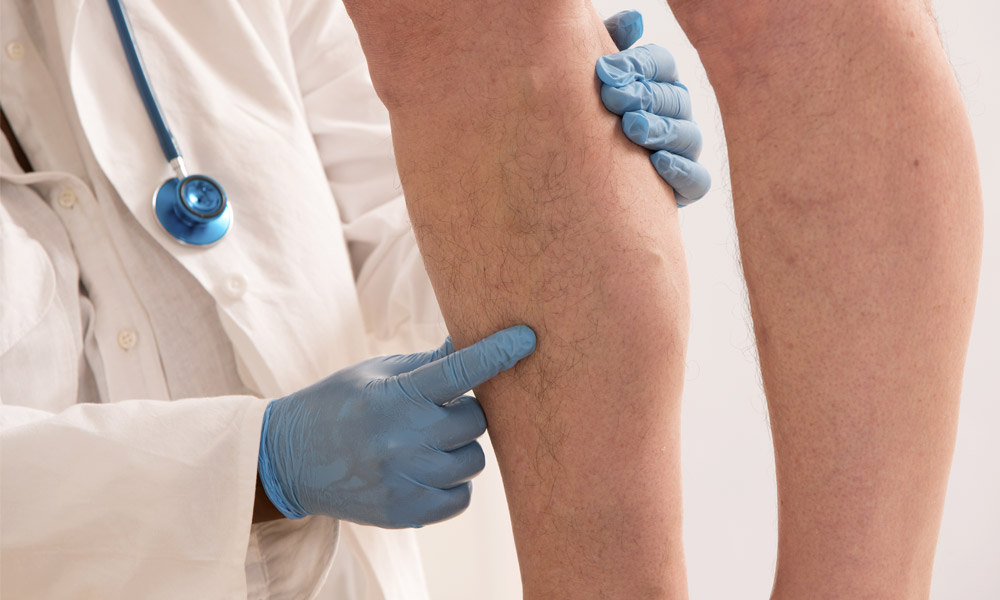
Peripheral artery disease (also called peripheral arterial disease) is a common circulatory problem in which narrowed arteries reduce blood flow to your limbs.
When you develop peripheral artery disease (PAD), your legs or arms — usually your legs — don’t receive enough blood flow to keep up with demand. This may cause symptoms, such as leg pain when walking (claudication).
Peripheral artery disease is also likely to be a sign of a buildup of fatty deposits in your arteries (atherosclerosis). This condition may narrow your arteries and reduce blood flow to your legs and, occasionally, your arms.
Symptoms
While many people with peripheral artery disease have mild or no symptoms, some people have leg pain when walking (claudication).
Claudication symptoms include muscle pain or cramping in your legs or arms that’s triggered by activity, such as walking, but disappears after a few minutes of rest. The location of the pain depends on the location of the clogged or narrowed artery. Calf pain is the most common location.
The severity of claudication varies widely, from mild discomfort to debilitating pain. Severe claudication can make it hard for you to walk or do other types of physical activity.
Risk factors
Smoking
Diabetes
Obesity (a body mass index over 30)
High blood pressure
High cholesterol
Increasing age, especially after age 65 or after 50 if you have risk factors for atherosclerosis
A family history of peripheral artery disease, heart disease or stroke
High levels of homocysteine, an amino acid that helps your body make protein and to build and maintain tissue
People who smoke or have diabetes have the greatest risk of developing peripheral artery disease due to reduced blood flow.
Prevention
Quit smoking if you’re a smoker.
If you have diabetes, keep your blood sugar in good control.
Exercise regularly. Aim for 30 to 45 minutes of exercise several times a week after you’ve gotten your doctor’s OK.
Lower your cholesterol and blood pressure levels, if needed.